
Industrial electrification is at the core of modern manufacturing, transforming traditional production systems into highly efficient, automated, and sustainable operations. As industries evolve, the shift from manual and fossil-fuel-based processes to electrically powered systems has become essential for maintaining competitiveness and meeting global demand.
By integrating advanced technologies such as automation, smart controls, and energy-efficient machinery, manufacturers can significantly improve productivity and reduce operational costs. Electrification also enhances precision, minimizes downtime, and supports scalable production processes. Furthermore, it enables seamless adoption of renewable energy sources, helping industries reduce their carbon footprint while aligning with global sustainability goals and regulatory standards.
What Is Industrial Electrification?
Industrial electrification refers to the complete electrical setup required to power machinery, lighting, automation systems, and safety equipment within a manufacturing facility.
It includes:
- Power generation and distribution
- Control panels
- Heavy-duty cabling
- Transformers
- Safety systems
A well-executed electrification project ensures uninterrupted production and long-term operational stability.
Components of an Effective Industrial Electrical System
1. HT & LT Systems
High Tension (HT) systems handle large power loads, while Low Tension (LT) systems distribute electricity safely within the plant. Proper coordination between both systems ensures efficient load management.
2. Transformer Installation
Transformers step down voltage to usable levels for machinery and equipment. Proper installation, ventilation, and protection systems are essential for safe operations.
3. Power Distribution Panels
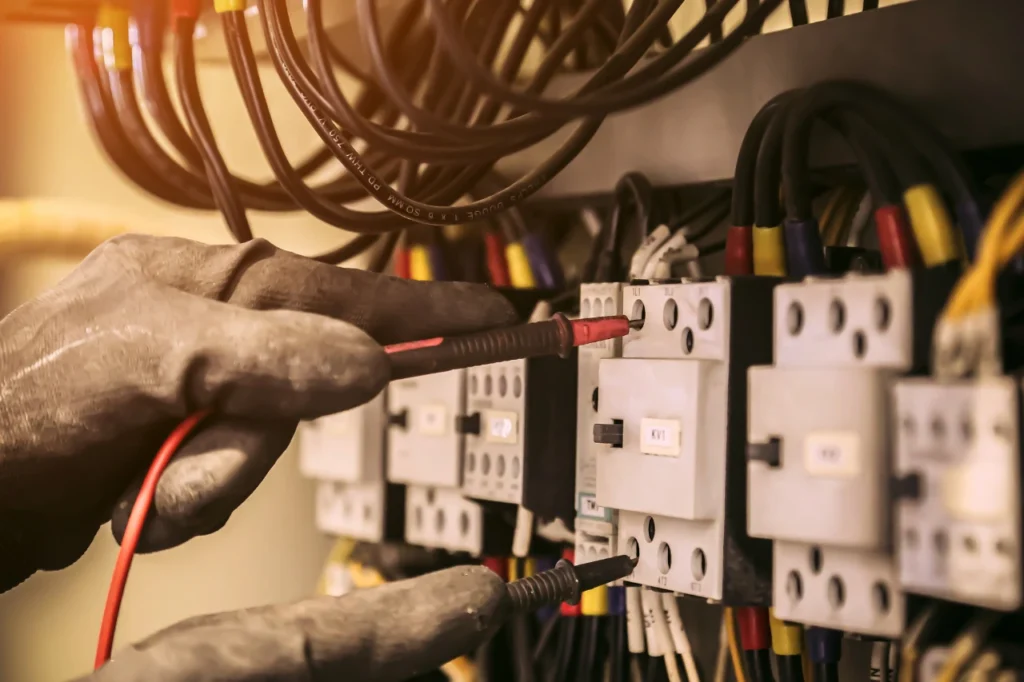
Electrical panels control and distribute power throughout the facility. Modern panels include safety features such as overload protection, circuit breakers, and monitoring systems.
4. Cable Management
Proper cable laying, routing, and termination prevent overheating and electrical faults. Organized cable management also simplifies maintenance.
Benefits of Professional Industrial Electrification
- Improved energy efficiency
- Reduced downtime
- Enhanced worker safety
- Longer equipment life
- Compliance with safety regulations
Professional installation minimizes risks and ensures systems operate at peak performance.
The Role of Preventive Maintenance
Routine inspections help detect issues such as loose connections, insulation damage, or overloaded circuits. Preventive maintenance reduces unexpected breakdowns and production losses.
Future Trends in Industrial Electrical Systems
Industries are moving towards:
- Smart monitoring systems
- Energy management software
- Automation integration
- Renewable energy integration
Upgrading electrical infrastructure to support these technologies ensures long-term competitiveness.
Conclusion
Industrial electrification is not just about powering machines, it’s about building a reliable foundation for productivity, safety, and growth. Investing in professional electrical solutions ensures smooth operations and sustainable expansion. It also enables advanced automation, reduces energy costs, and supports long-term scalability, helping businesses stay competitive in an increasingly technology-driven manufacturing landscape.
In addition, electrification improves system reliability through real-time monitoring and predictive maintenance, reducing unexpected downtime. It enhances workplace safety by minimizing exposure to hazardous energy sources and manual interventions. With the ability to integrate smart technologies and data-driven insights, businesses can optimize performance, improve decision-making, and achieve greater operational efficiency across all levels of production.